
Lhasa's New Year: A City Hiding Warmth in Winter
Lhasa in winter is like a transparent veil. The dazzling sunlight, glinting off stone walls, eaves, and prayer wheels, forces one to squint. Yet, the wind is as sharp as a blade, caressing the skin, reminding you of the high altitude, dryness, and the cold that descends at night. It is precisely because of this cold that the New Year here feels especially real—as if cradling a tiny flame against your chest, something always quietly illuminates, no matter where you go.
In Lhasa, the New Year doesn't arrive with grand pronouncements, but rather whispers in with warmth: the steam from an alleyway, the soft yellow light spilling from a doorway, a simple greeting that feels like a divine blessing.

As the New Year begins, Barkhor Street comes alive.
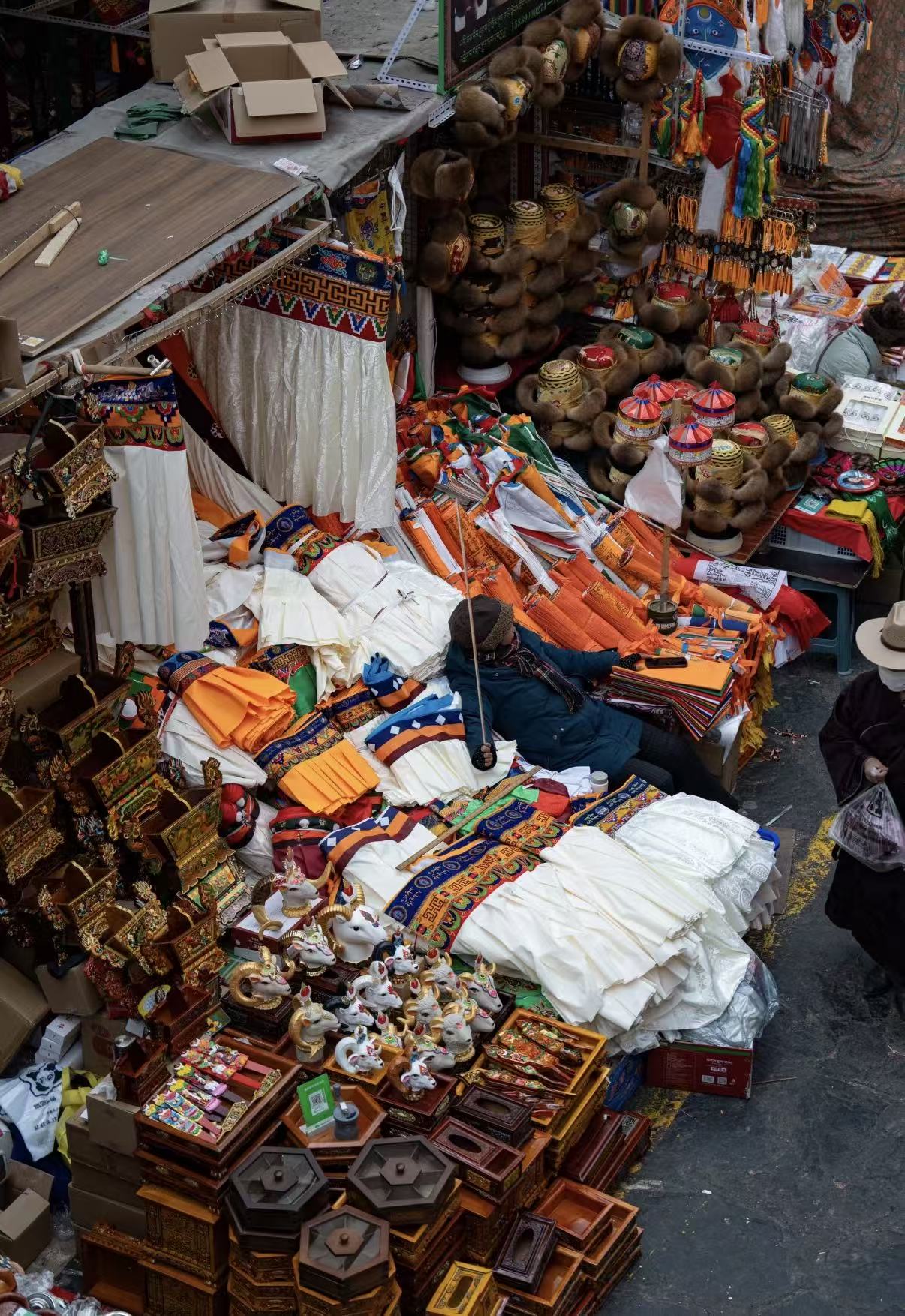
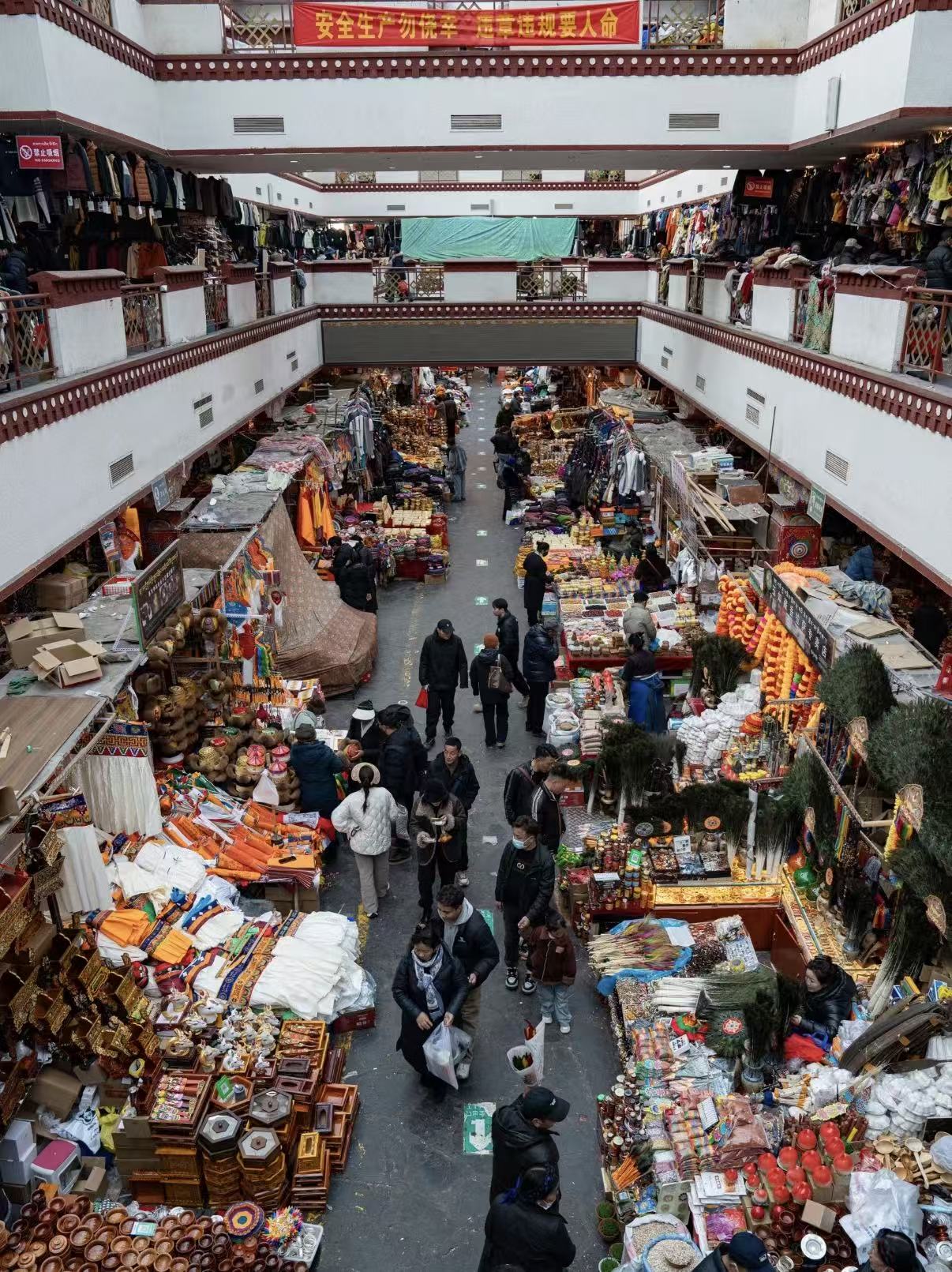
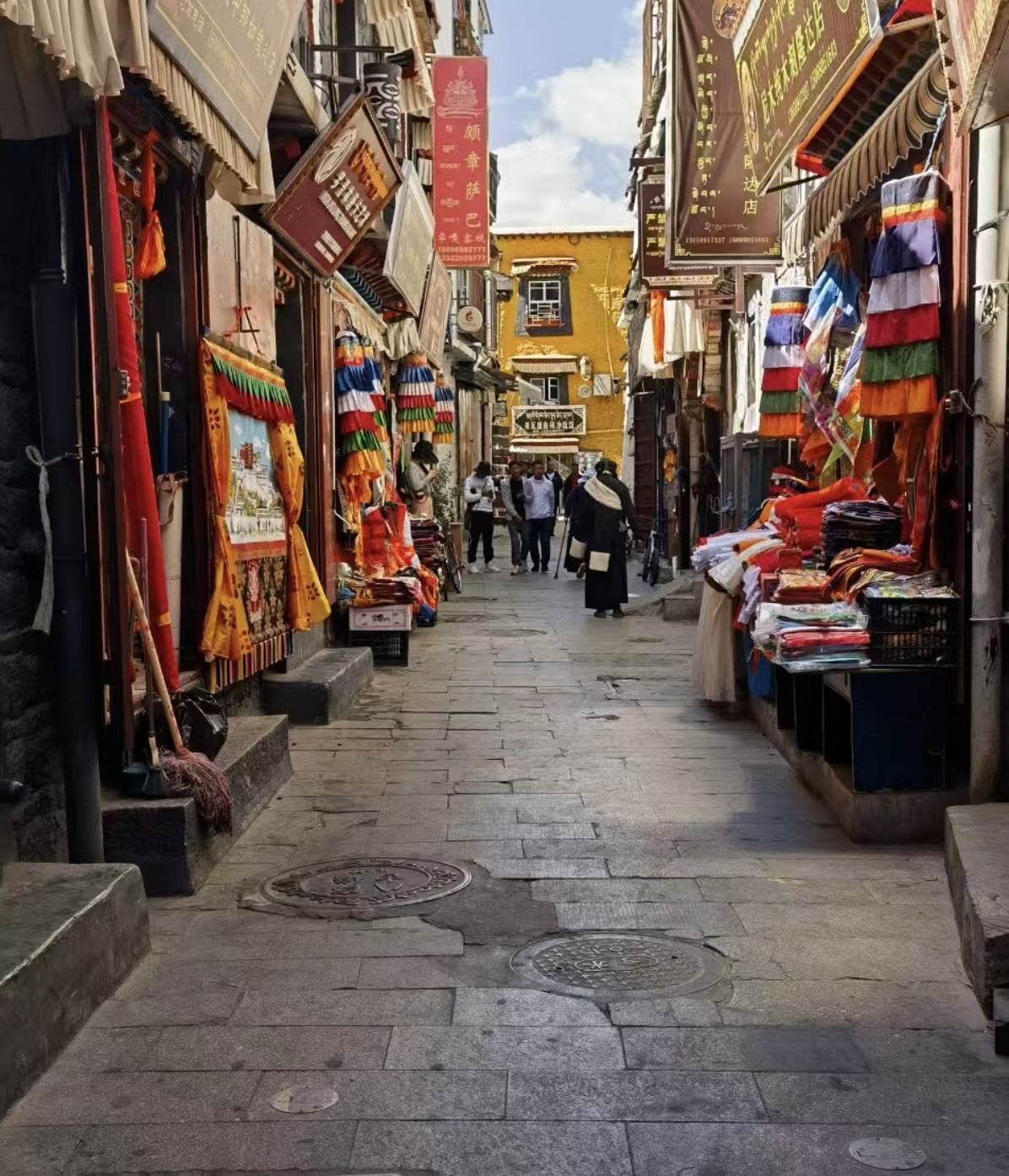
Barkhor Street is the first stop for Lhasa's New Year celebrations. Countless footsteps shine on the flagstones. Shops are adorned with khatas and vibrantly colored fabrics; prayer flags billow full under the plateau sun. Stalls are laden with sweets—dried fruits, sugar cubes, red dates, honey—as if proclaiming that even in the coldest season, life should be filled with sweetness.
The sound of human voices is also part of the festivity. Tibetan flows like a stream—sometimes a gurgling torrent, sometimes a gentle meander. Mandarin drops into the ear like clear pebbles. Children's cheeks are reddened by the wind, small hands clutching candies tightly. Young people, dressed in new clothes, stroll leisurely, as if every step leaves room for the New Year to settle in.
In a sweet tea house, life warms up first.
If Lhasa's New Year has a "heart," it often beats in a sweet tea house. The moment you step in, the mist on the windows envelops you: teacups clink, spoons tap saucers, people murmur quietly, lively but not noisy. The sweet scent of milk candy wafts through the air—just one sip, and it feels as if winter has been brushed away from your throat.
As the end of the year approaches, conversations here grow livelier: what to buy, what dishes to make, who is coming home, whether the roads are clear. Nothing seems significant, yet everything feels reassuring. You begin to understand: the New Year is less a "celebration" and more an "affirmation"—that someone is waiting for you, and you still belong to a warm network of people.
In the depths of dimly lit alleyways, the New Year has already arrived.
In the residential alleys, doorways are renewed, as if wiped clean for the New Year. Some homes hang new curtains, while others clean their courtyards. The scent of pastries drifts from kitchens—rich, steaming, enticing, with a mellow and inviting aroma.
Inside, the brightest spot is often the family shrine. Butter lamps burn quietly, as if saying: if you must celebrate, then celebrate, but maintain inner peace.
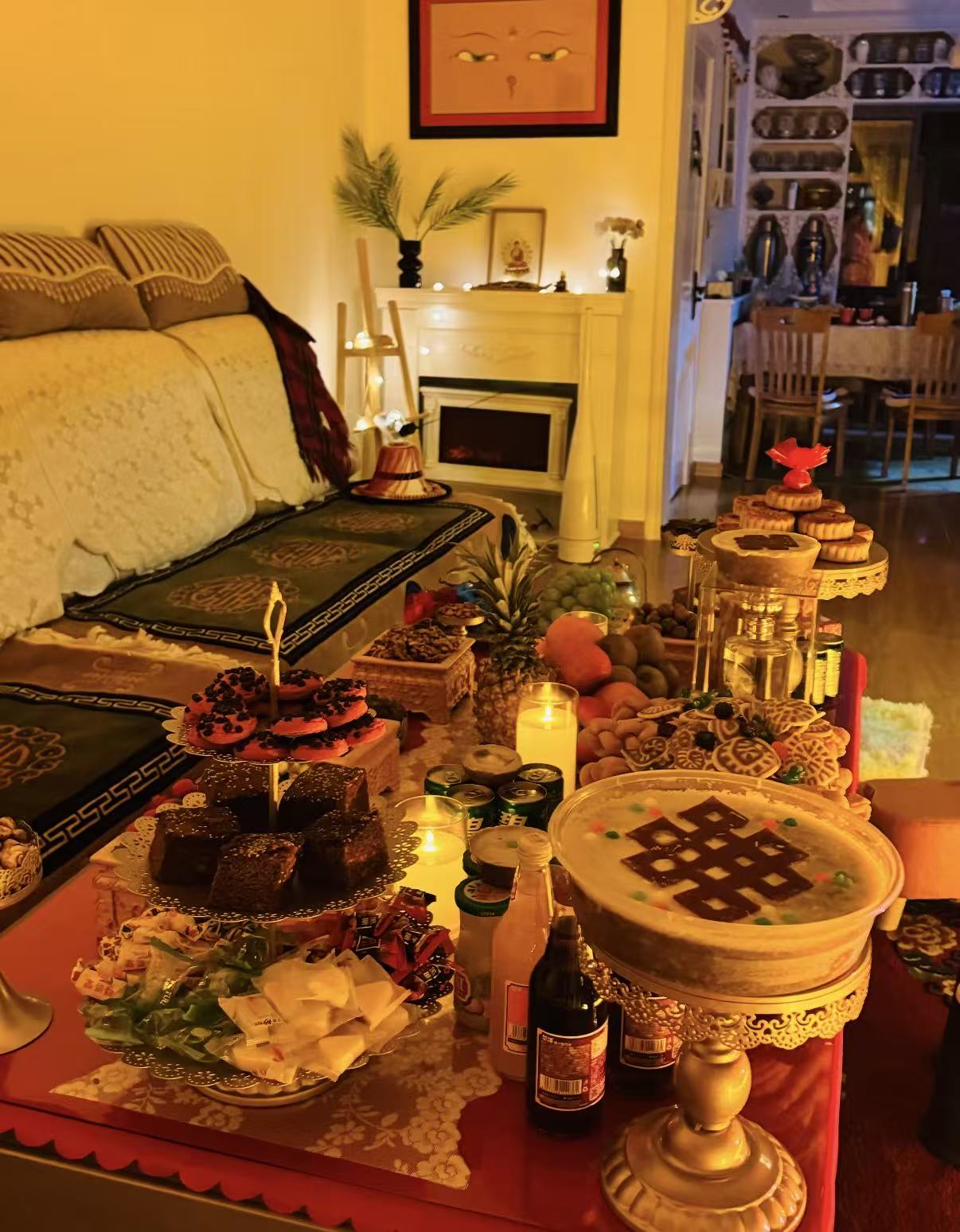
The kitchen is the most direct place to welcome the New Year. Butter tea kettles gurgle and bubble; the aroma of tsampa is like the fragrance of barley and sunlight kneaded together. No one is in a hurry, yet everyone seems resolute—as if, as long as the pots and bowls are properly arranged, the New Year will arrive smoothly.
The serenity of the Potala Palace nurtures human warmth.
Lhasa's New Year is always set against the backdrop of the Potala Palace. During the day, it stands like a silent, majestic mountain, compelling one to slow down. At dusk, the setting sun casts its light on the red and white palace walls, as if igniting them. Wandering beneath it, you suddenly feel that the city's joy doesn't stem from clamor, but from a deeper tranquility—it is within this tranquility that lights and laughter appear especially warm.
Epilogue: It shines like a butter lamp, long-lasting.
New Year's Eve doesn't have to be deafeningly noisy. Some go out to see the lights and crowds; others stay by the hearth, peeling candy and refilling tea. Outside, the wind still howls, but inside, the rhythm is slow, warm, and lingering. You hear the clinking of dishes, and someone softly says, "Next year will be better," not with exaggeration, but with genuine sincerity.
Lhasa transforms the New Year into a beam of light: in the deepest cold, warmth is hidden. It is like a butter lamp—though its flame is small, it can shine for a long time, and even after you travel far, that warmth remains with you.